- : Bridging the Gap between Discrete-Event and Agent-Based Simulation
| 10:45-11:40Luis Gustavo Nardin (National College of Ireland)
: Valdemar Graciano Neto
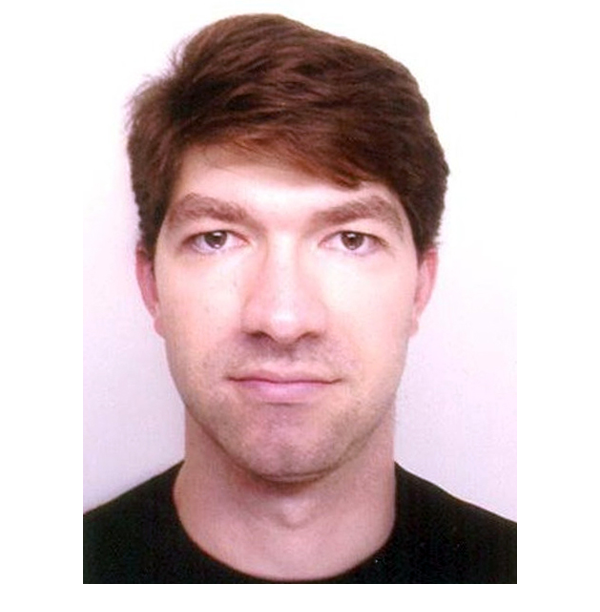
Agent-based modeling is an appropriate methodology for designing, creating, and evaluating complex adaptive systems. This methodology has been shown particularly well suited for modeling social phenomena since the latter are the result of numerous interconnected and interdependent event decisions taken by (semi-)autonomous agents. In the area of modeling and simulation, however, the term "agent-based" simulation is used ambiguously both for individual-based and cognitive agent simulation. The former takes into consideration the structure and interactions of individual entities, whereas the latter also models the cognitive state and cognitive operations of agents. Existing Discrete Event Simulation (DES) frameworks are well equipped to model individual agent-based simulations, but they do not provide in-built support for agent capabilities required by cognitive agent simulation. This talk will shed some light upon the ambiguous understanding of the term "agent-based" simulation and identify the agent capabilities implied by them. It will then demonstrate how to implement an agent-based social simulation domain using a DES framework highlighting the challenges and limitations. Finally, it will present a proposal to incorporate the required agent capabilities into a DES framework.
: Valdemar Graciano Neto
Towards BPM@Runtime
Luiz Loja, Sofia Paiva, Juliano Lopes de Oliveira
Business Process Modeling in Systems of Systems
Jean Santos, Valdemar Vicente Graciano Neto, Elisa Yumi Nakagawa